Introduction
When launching or scaling a private label yoga brand, choosing the right manufacturing technique is one of the most critical product development decisions you will make. The two primary methods dominant in modern activewear production are seamless knitting and traditional cut and sew manufacturing.
Both methods offer unique benefits, cost structures, and visual aesthetics. Understanding the differences in seamless vs cut and sew activewear allows you to optimize your production budget, meet customer expectations, and align your products with current market trends. Here is a comprehensive breakdown to help B2B buyers make the right sourcing decision.
1. What is Seamless Activewear?
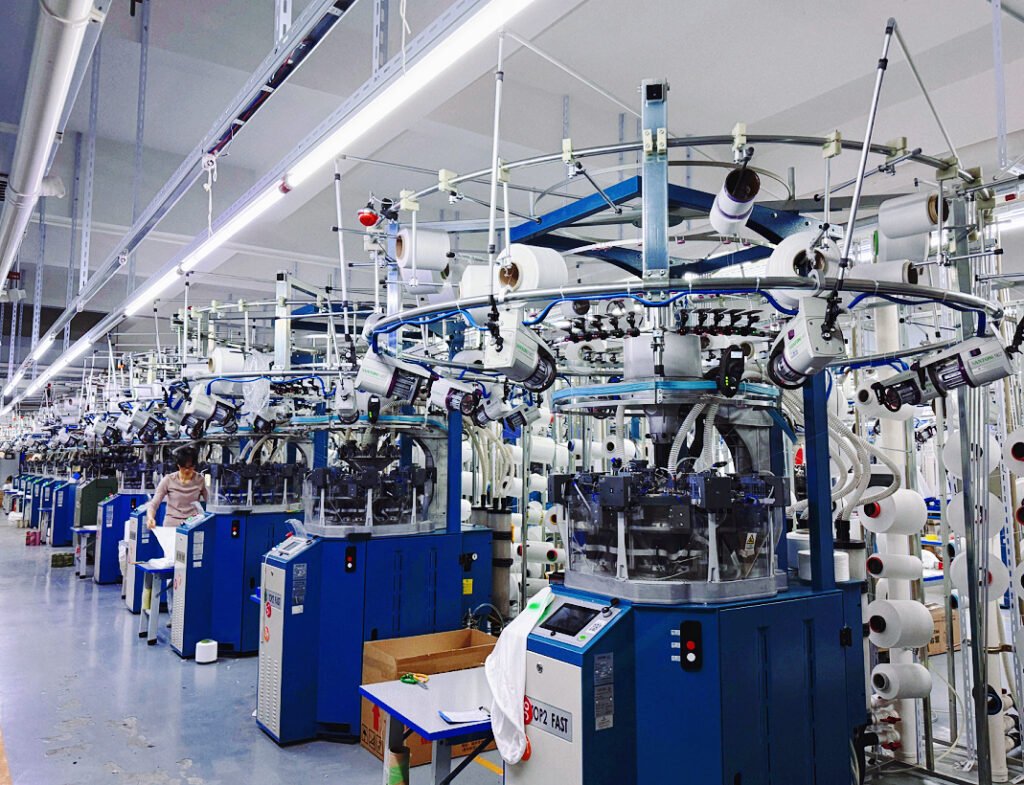
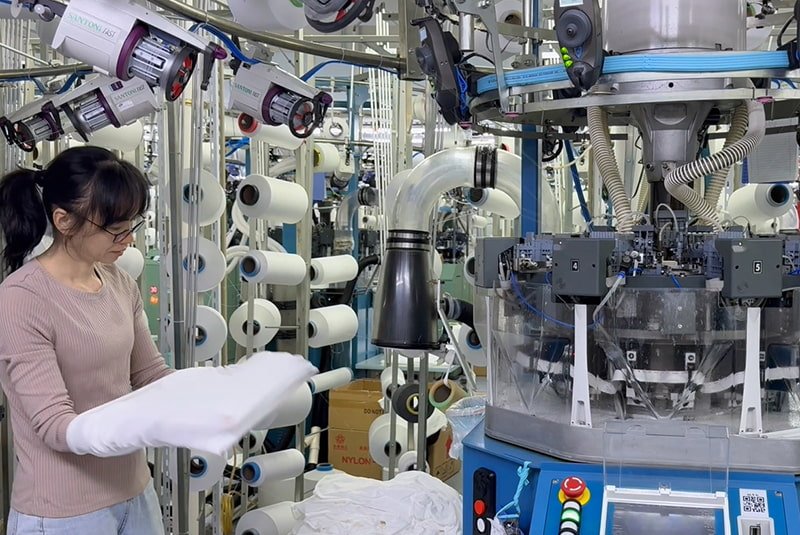
Seamless yoga wear is manufactured using specialized circular knitting machines (such as Santoni machines) that convert yarn directly into tubular garments. This process minimizes the need for traditional side seams.
Key Characteristics: High elasticity, ergonomic body-mapping, minimal seams, and targeted compression zones.
Best Uses: High-waisted yoga leggings, ribbed sports bras, fitted crop tops, and seamless biker shorts.
2. What is Cut-and-Sew Activewear?
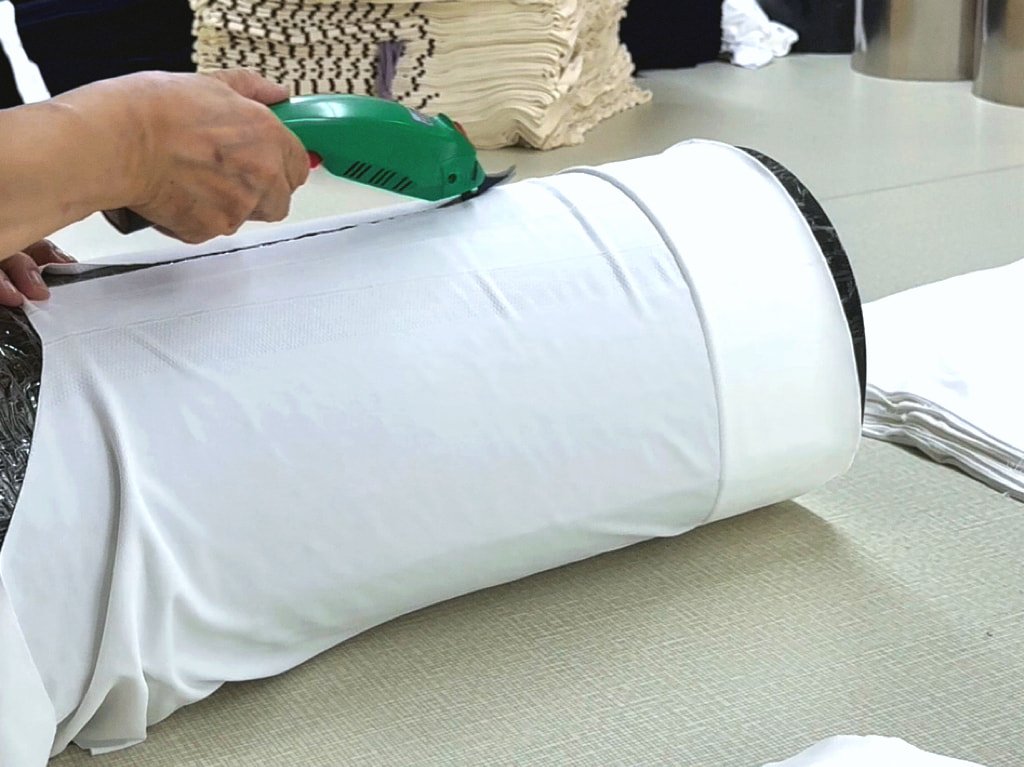
Cut-and-sew activewear follows the traditional garment manufacturing process: flat fabric sheets are cut into precise pattern pieces and sewn together using specialized flatlock or overlock stitching machines.
Key Characteristics: Highly customizable panels, intricate seam detailing, structured support, and unlimited fabric option combinations.
Best Uses: Panel jackets, structured sports bras with hook-and-eye closures, pocket leggings, and multi-color paneled activewear.
3. Key Differences: Seamless vs Cut-and-Sew Activewear
To help you evaluate which option fits your brand strategy, let’s compare both production methods across five core operational metrics:
| Metric | Seamless Activewear | Cut-and-Sew Activewear |
| Manufacturing Cost & MOQ | Higher initial tooling/machine setup; ideal for higher volume orders. | Lower initial setup cost; lower MOQs per color and style. |
| Fit & Comfort | Friction-free, second-skin fit with high stretch and body-mapping. | Structured, supportive fit with customizable compression and seams. |
| Design Flexibility | Knit-in textures, jacquard patterns, and engineered ribbing. | Complex color-blocking, custom pockets, mesh panels, and specialized trims. |
| Production Lead Time | Longer sampling and machine programming phase. | Faster sample development and pattern adjustment. |
| Fabric Waste | Low fabric waste (near zero-waste tubular knitting). | Higher fabric scrap rate from cutting flat pattern pieces. |
4. How to Choose the Right Method for Your Collection
Selecting between seamless vs cut-and-sew activewear depends on your target customer, product line focus, and order volume.
Choose Seamless If:
You are creating minimalist, second-skin yoga collections focused on maximum comfort and flexibility.
You want to feature trend-driven textures like ribbed fabrics, contour shading, or space-dye effects.
You have established sales channels capable of meeting higher Minimum Order Quantities (MOQs).
Choose Cut-and-Sew If:
Your brand emphasizes high-impact support, utility pockets, tailored fit lines, or multi-panel designs.
You need low MOQs to test new market niches or launch small seasonal drops.
You want to mix custom performance fabrics (e.g., brushed nylon-spandex blends) with specialized hardware.
Summary: Partnering with an Experienced Activewear Manufacturer
Neither method is universally superior—the optimal choice depends on your brand’s positioning, budget, and product catalog requirements. Many successful activewear brands offer a mix of both: seamless pieces for everyday comfort and studio yoga, alongside cut-and-sew designs for high-impact training and utility wear.