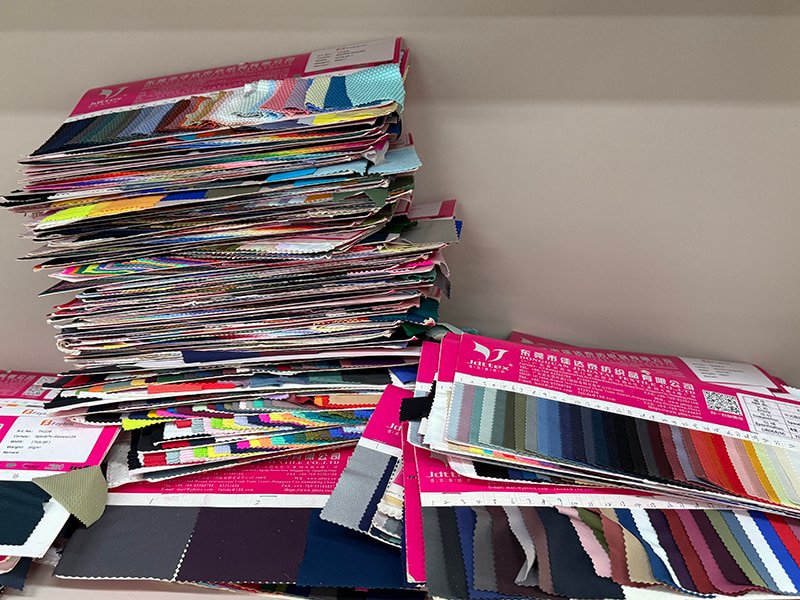
When sourcing activewear for your brand, choosing the right fabric is the single most critical decision you will make. For B2B wholesale buyers, importers, and brand founders, fabric quality directly determines customer retention, product reviews, and your brand’s reputation in a competitive market.
Whether you are launching a collection of high-performance yoga leggings, supportive sports bras, or breathable studio tops, understanding fabric specifications is essential. If a garment pills after two washes, turns translucent during a squat, or loses its shape, your customers won’t reorder. This comprehensive guide breaks down everything B2B buyers need to know about yoga activewear fabrics, key technical specifications, and how to source the right materials from your manufacturer.
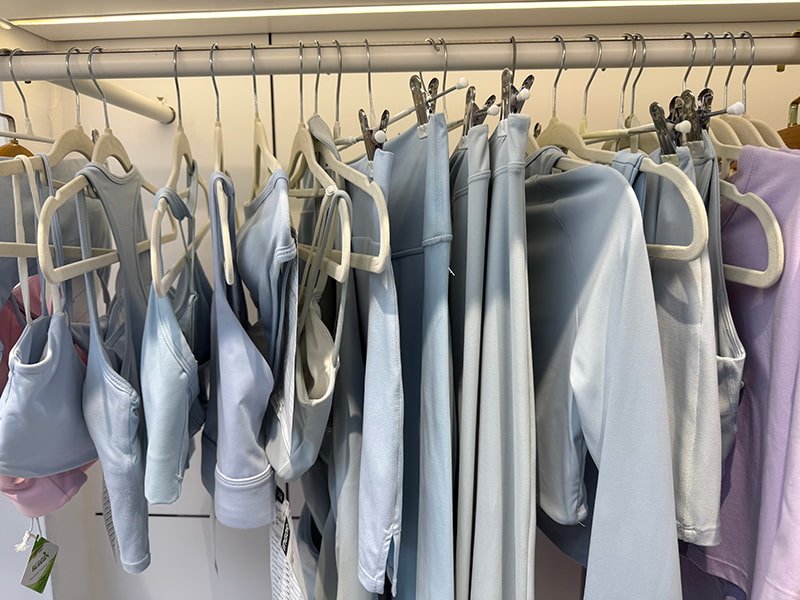
1. Core Fabric Compositions for Yoga Activewear
Different garment types and market positionings require specific yarn compositions. The table below outlines the most common fabric blends used in professional activewear manufacturing:
| Fabric Blend | Key Characteristics | Best Suited For |
| Nylon (Polyamide) + Spandex | Exceptional durability, buttery-soft handfeel, superior moisture-wicking, and high elasticity. | Premium yoga leggings, sports bras, sculpting sets, and high-end athleisure. |
| Polyester + Spandex | Cost-effective, excellent colorfastness, lightweight, and perfect for vibrant sublimation printing. | Budget-friendly retail lines, all-over printed shorts, and outdoor activewear. |
| Recycled Nylon/Polyester + Spandex | Eco-friendly, GRS and OEKO-TEX certified, matches virgin fiber performance while supporting sustainability. | Eco-conscious activewear brands and green product collections. |
| Organic Cotton Blends | Hypoallergenic, gentle on sensitive skin, and highly breathable, offering pure natural comfort. | Restorative Yin Yoga wear, casual loungewear, and post-workout layers. |
| TENCEL™ & Modal Blends | Silky-soft touch, superior moisture absorption, and eco-friendly biodegradability. | Studio yoga tops, flowy cover-ups, lounge wraps, and Pilates apparel. |
| Merino Wool Blends | Natural thermal regulation, anti-odor properties, and skin-friendly warmth. | Outdoor yoga wear, transitional studio layers, and winter activewear. |
2. Key Technical Specifications Every B2B Buyer Must Check
When reviewing quotation sheets or lab samples from your apparel manufacturer, never rely solely on the fabric name. Always verify these critical technical parameters:
GSM (Grams per Square Meter):
Lightweight (160–240 GSM): Ideal for breathable yoga tops, lightweight sports bras, and summer activewear layers.
Mid-to-High Weight (250–320+ GSM): The gold standard for opaque, compression-fit yoga leggings and supportive active shorts. Higher GSM ensures complete coverage and prevents transparency during stretching.
Spandex (Elastane) Percentage:
Standard performance activewear typically contains 15% to 25% spandex. Anything lower than 10% will lack sufficient stretch and recovery, causing garments (especially leggings and bras) to bag out after minimal wear.
4-Way Stretch Technology:
Ensure the fabric stretches horizontally and vertically to allow full range of motion without restricting the user during dynamic poses.
Squat Test & Opacity (Anti-See-Through):
High-density interlock knitting or double-face knitting techniques should be prioritized for bottoms to guarantee 100% opacity, even under bright studio lighting.
3. Surface Finishes and Performance Treatments
To make your activewear collection stand out in the B2B market, consider requesting these value-added finishing treatments from your supplier:
Moisture-Wicking (Dry-Fit): Pulls sweat away from the skin to the outer layer of the garment for rapid evaporation during intense workouts.
Brushed Finish (Peach Skin): Creates an ultra-soft, brushed texture on one or both sides, ideal for cozy winter leggings, lounge pants, or thermal tops.
Anti-Pilling & Anti-Static: Essential for maintaining a clean, premium look over long-term use and frequent laundering.
4. How to Communicate Fabric Requirements with Your Manufacturer
When partnering with a B2B activewear manufacturer (such as Nawxe Apparel), clear communication prevents costly sampling mistakes:
Request Lab Dips First: Always ask for physical color swatches (lab dips) under standardized lighting before mass production.
Specify Construction Method: For leggings and bras, specify whether you need seamless knitting or cut-and-sew construction paired with flatlock stitching to prevent chafing.
Ask for Low MOQ Flexibility: If you are testing a new product line, look for manufacturers who offer low minimum order quantities (MOQ) for custom fabric dyeing or printing.
Final Thoughts
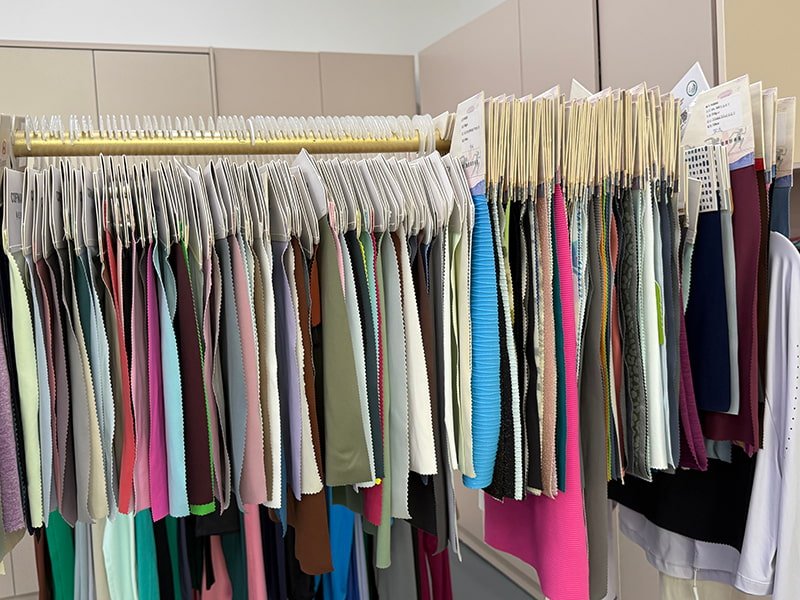
Selecting the right yoga activewear fabric balances performance, comfort, and production cost. If you are not sure how to choose the right fabric, you can tell us your usage scenarios and requirements, and we can recommend the most suitable fabric for you.
Looking for custom yoga activewear manufacturing with flexible MOQs and premium fabric options? Contact our team today to request our latest fabric catalog and wholesale price list.